

-

What Happens Behind the Scenes to Ensure Your Parts Are Safe and Sound?
When you're relying on a machined or fabricated part, whether it's headed for an aircraft, a submarine, a power plant, or a chemical processing line, "it looks good" clearly isn't good enough. The parts that keep critical systems running safely
-

NDT Methods Explained: When to Use VT, PT, UT, RT, and MT
Non-Destructive Testing (NDT) is the discipline that lets manufacturers verify the internal and surface integrity of a component without cutting it open, altering it, or destroying it in the process. For industries where failure isn't an option, such as aerospace,
-

Why Is Communication So Critical During Machining Projects?
When people picture a machine shop, they usually picture machines: lathes turning, welding arcs, parts taking shape under bright shop lights. What's easy to miss is that long before any of that happens, a good project starts with a conversation,
-
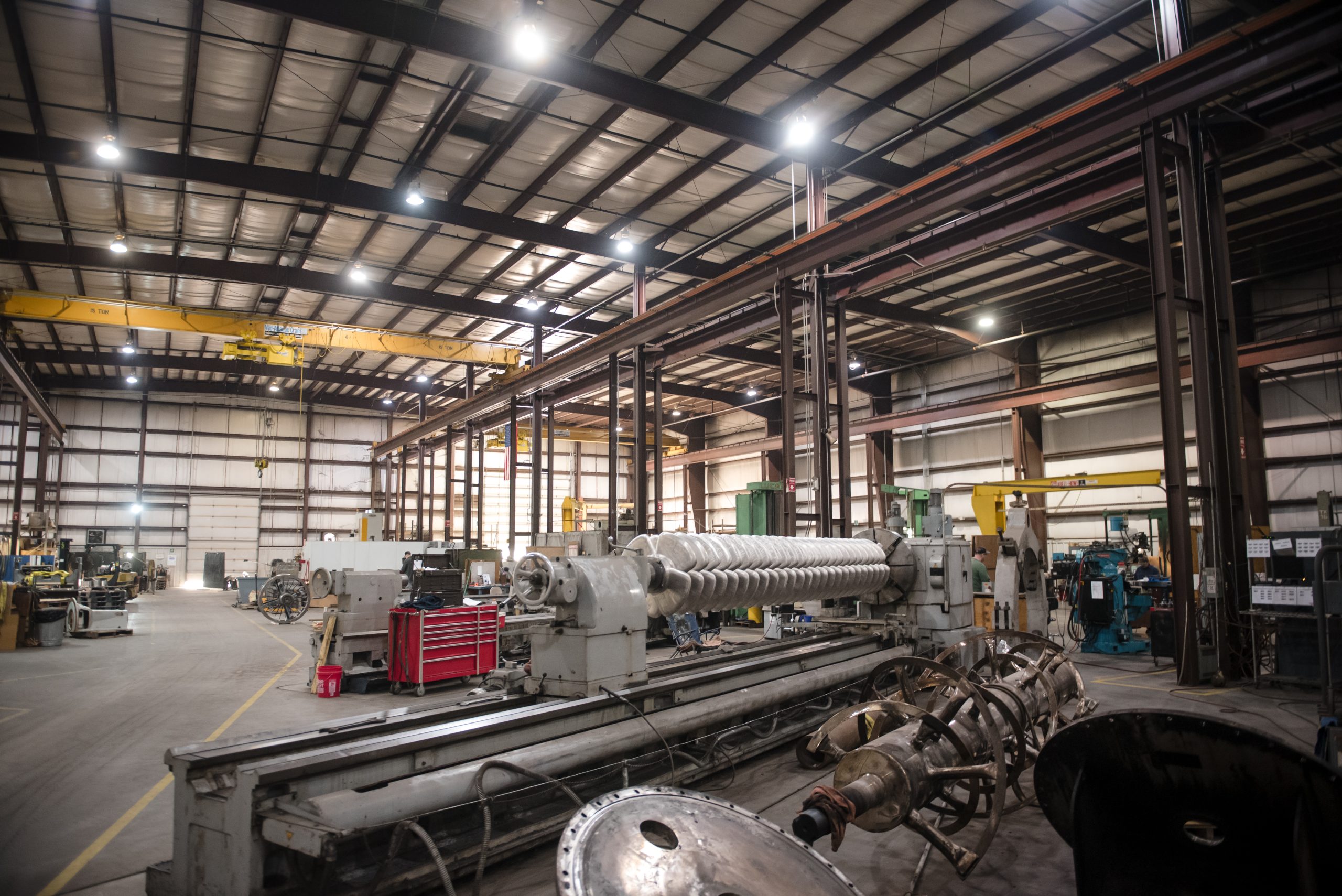
What Certifications Actually Matter When Choosing a Machine Shop?
If you have ever compared machine shops, you have probably run into a wall of acronyms: ISO, AS9100, ASME, NAVSEA, NADCAP. It is easy to assume they all mean roughly the same thing, or to tune them out entirely. But
-

How Can Reverse Engineering Restore Obsolete Industrial Equipment?
When critical industrial equipment fails and replacement parts are no longer available, manufacturers face a stark choice: invest millions in new machinery or find innovative solutions to keep production running. Equipment downtime costs manufacturers heavily, making parts obsolescence one of
-

How Early Should I Involve a Machine Shop in My Design Process?
If you are designing a part, a component, or a full piece of equipment, there is one question worth asking before the drawings are final: have I talked to the people who will actually make this? When you should involve
-
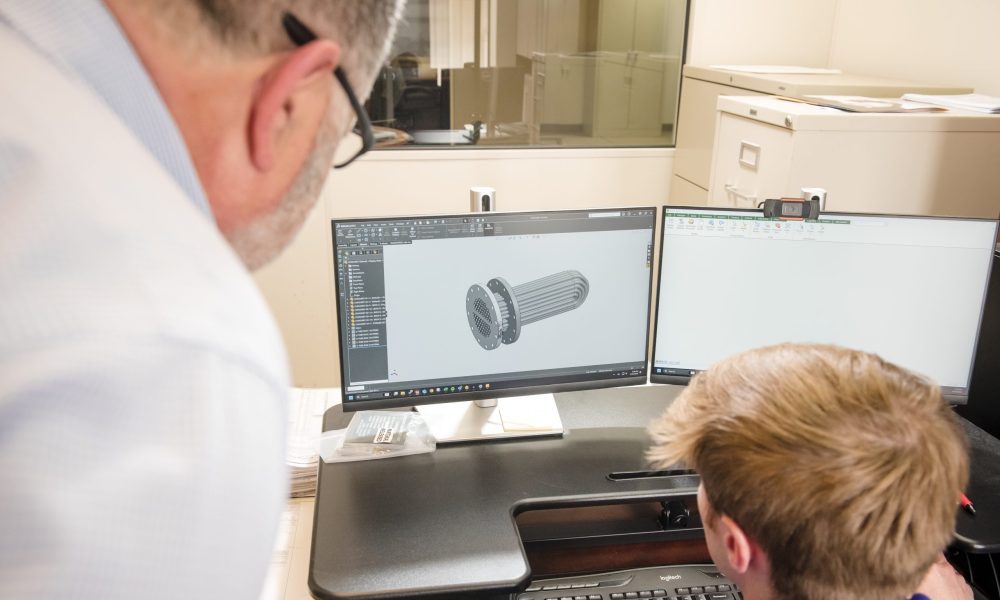
What Makes Inconel and Hastelloy Ideal for Extreme Environment Applications?
When industrial equipment must withstand temperatures exceeding 1,800°F or resist aggressive chemical corrosion, standard materials fail. Inconel and Hastelloy, two families of nickel-based superalloys, have become the regular materials of choice for demanding applications across aerospace, chemical processing, nuclear energy,
-
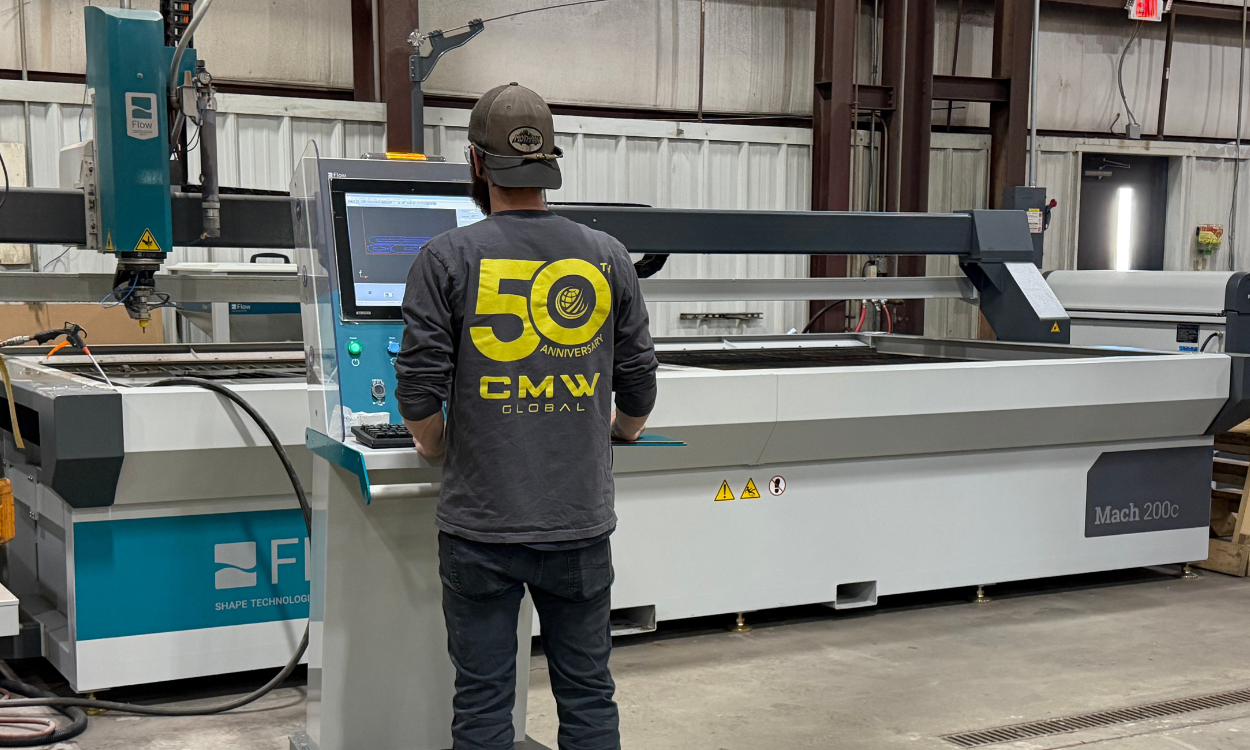
CMW Global Upgrades to the Flow Mach 200c Waterjet. What Does This Mean for You?
At CMW Global, we have been building on a foundation of continuous improvement since 1976. That commitment means investing in the equipment and technology our customers need, not just to keep pace with the demands of aerospace, defense, naval, pulp
-
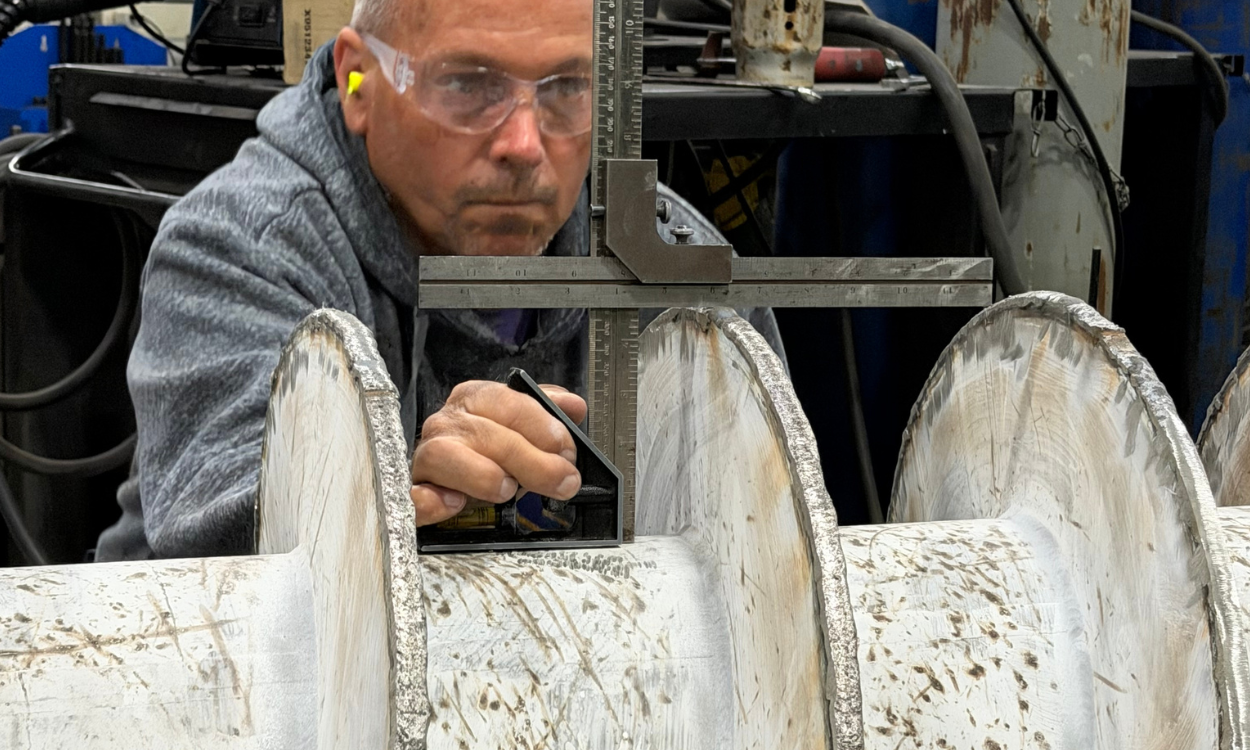
How Do Tight Tolerances Affect Cost, Lead Time, and Risk?
If you’ve ever ordered a precision-machined part, you’ve probably encountered the word “tolerance.” But unless you work in manufacturing every day, it’s easy to gloss over what tolerances actually mean and why they matter so much to your budget, your